Why Sensory Toys Matter for Learning and Regulation
Sensory play is a powerful way to help children feel calm, focused and ready to learn. Rather than simply keeping them busy, Sensory Toys give children safe opportunities to explore touch, sound, movement and balance in a structured way.
If you have already read the Educational Toys Guide UK, you will know how important meaningful play is for development. Sensory play builds on this by supporting emotional regulation, body awareness and attention, making Sensory Toys an essential part of a learning-friendly home.

Key Benefits of Sensory Toys for Child Development
Well-chosen Sensory Toys can support several areas of development at once, especially for children who seek extra movement or tactile input to feel settled.
Supporting Emotional Regulation
Sensory tools such as textured balls, fidget toys, wobble boards and weighted items can help children manage big feelings. They provide safe outlets for energy and offer calming feedback to the body, which is particularly useful during transitions or after a busy day.
Improving Focus and Attention
For some children, gentle sensory input actually makes it easier to concentrate. A small fidget in the hand, a balance cushion on a chair or a quiet sensory object nearby can help them stay engaged with reading, homework or creative activities for longer.
Building Body Awareness and Motor Skills
Sensory play that involves jumping, pushing, pulling, squeezing or balancing helps children understand where their body is in space. This is important for confidence, co-ordination and safe movement in everyday life.
Encouraging Calm, Screen-Free Play
In a world full of screens and loud toys, Sensory Toys offer a calmer alternative. Soft textures, gentle movements and simple designs invite children to slow down, explore quietly and play with more intention.

Types of Sensory Toys That Support Learning
Different Sensory Toys meet different needs. Highlighting key types helps families choose what suits their child best.
Tactile and Texture-Based Toys
Toys with ridges, bumps, soft fabrics or rubbery surfaces encourage children to explore touch. These can include sensory balls, textured tiles, fabric books and small fidgets that fit comfortably in the hand.
Movement and Balance Toys
Balance boards, wobble cushions and rocking toys give children safe ways to move their bodies. This kind of play supports core strength, balance and confidence, and can also help release excess energy.
Visual and Auditory Sensory Toys
Calming visual toys, such as liquid timers or slow-moving light effects, can help children relax and re-centre. Gentle sound toys, like rain sticks or soft chimes, provide auditory input without overwhelming noise.
Sensory Play Linked to Learning Tools
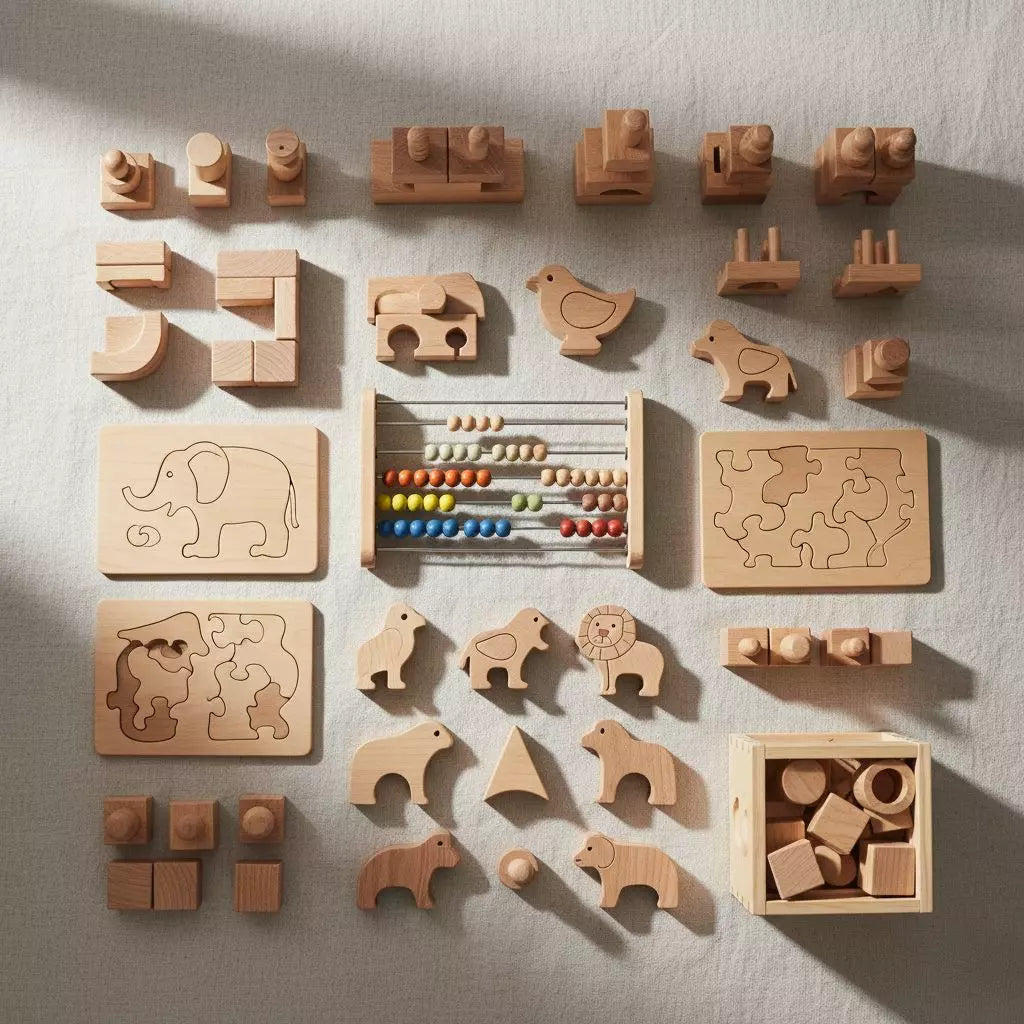
Some Educational Toys also include sensory elements, such as textured number tiles, sand tracing boards or wooden letter shapes. These combine hands-on learning with the benefits of sensory play.

How to Choose the Right Sensory Toys for Your Child
Every child has different needs and preferences, so choosing Sensory Toys works best when you observe how they respond to everyday sensations.
Notice What Your Child Seeks or Avoids
Does your child love messy play, or do they avoid certain textures? Do they constantly move, or prefer quiet, enclosed spaces? The answers can guide which Sensory Toys will be most helpful.
Start Simple and Build Gradually
Begin with a small selection of well-chosen toys rather than a large number of options. This makes it easier to see what truly supports your child’s regulation and enjoyment.
Prioritise Safety and Quality
Look for sturdy materials, smooth finishes and reliable safety markings. High-quality Sensory Toys should feel robust enough for regular use and safe enough for curious hands.
Match Toys to Everyday Routines
Think about where your child most needs support: getting ready in the morning, winding down after school, sitting at the table or preparing for bedtime. Choose Sensory Toys that fit naturally into these moments.

Using Sensory Toys at Home in a Practical Way
To get the most from Sensory Toys, it helps to integrate them into daily life rather than treating them as occasional extras.
Create a Small “Calm Corner”
A cosy space with a few favourite Sensory Toys, soft cushions and perhaps some Wooden Toys or quiet books can give children somewhere to reset when they feel overwhelmed.
Support Homework and Reading Time
Some children concentrate better with subtle movement or tactile input. A simple fidget, wobble cushion or small textured object can sit alongside other Educational Toys to make learning more comfortable.
Use Sensory Play as a Transition Tool
Short bursts of sensory play before difficult transitions — such as leaving the house, starting homework or getting ready for bed — can help children feel more regulated and ready for what comes next.
Final Thoughts – Why Sensory Toys Belong in Every Learning Space
Sensory Toys offer far more than entertainment. They help children understand their bodies, manage emotions and stay engaged with the world around them. When chosen thoughtfully, they become a powerful support for both learning and well-being.
Families looking to build a calmer, more supportive play environment can explore dedicated Sensory Toys alongside other carefully selected Educational Toys, Wooden Toys and complementary resources. And for those who want one trusted place to begin, Foxie Doodles can serve as a welcoming home for thoughtful, learning-focused play ideas.